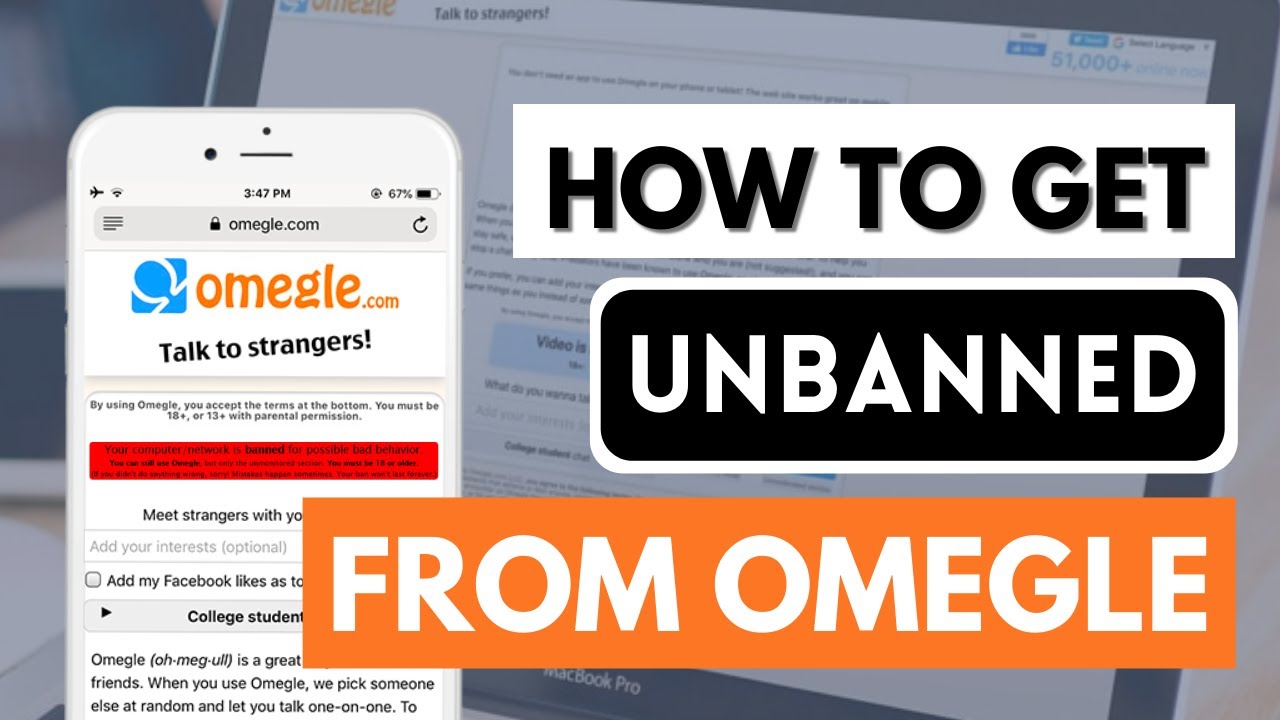
Unban Yourself from Omegle: Quick Guide
2024-08-12
An archived iLove VPN guide, cleaned up for the new site and kept at the original address.
Start with the real cause
Unban Yourself from Omegle: Quick Guide usually comes down to route, region or local filtering. A VPN can help when the network path is the part being blocked or watched.
The useful question is simple: does the problem follow the network, the account, or the device? Change one thing at a time and the answer usually appears fast.
First check: is it the network?
A lot of privacy, streaming and access problems start with the network you are using right now. School Wi-Fi, hotel Wi-Fi, office routers, mobile carriers and country-level filters can all behave differently. Same phone. Same app. Different result.
Test one simple thing before changing settings: open the page on mobile data, then on Wi-Fi. If it works on one and not the other, the local route is likely involved. That is the cleanest moment to try a VPN.
What to look for before changing settings
Write down the exact error if there is one. “Not available in your region”, “connection timed out”, “network administrator blocked this page” and “wrong password” are not the same problem. A VPN can help with the first three more often than the last one.
Also check whether the issue happens in one app or everywhere. If only one service fails, app cache or account rules may be involved. If many sites fail on the same Wi-Fi, the network is probably shaping or blocking traffic.
A realistic VPN expectation
A VPN changes the route and encrypts traffic between your device and the VPN server. That is powerful, but narrow. It does not clean malware, remove cookies, change your billing country or make a signed-in account anonymous.
Used in the right place, though, it is one of the few privacy tools that works before the website even loads. That is why it still matters for public Wi-Fi, travel, blocked pages and ISP-level tracking.
Why games and chat sites fail
Games and chat sites are often blocked at school, work or campus level. Sometimes it is DNS. Sometimes the firewall blocks whole categories. Sometimes the platform itself has rate limits or account rules.
A VPN helps when the local network is the wall. It does not remove platform bans, age checks or account restrictions. That difference matters.
Latency matters more than download speed
For games, ping is the number to watch. A 35 ms VPN route can feel normal. A 170 ms route can make movement feel late even if the speed test looks impressive.
Choose a nearby location first. If you are in Europe, Germany or Netherlands is usually a better test than the United States. If the game server is in the US, then a US route may make sense.
Use it without triggering account checks
Keep your VPN location consistent. Logging in from five distant countries in one session can look suspicious to platforms. Privacy does not require random movement.
If a service asks for verification after you switch regions, stop switching. Use your normal account recovery methods and pick a steady route next time.
School and workplace networks
If the block is local, connect VPN before opening the game or site. Then reload. If the VPN connection itself is blocked, try Stealth Mode. Some managed networks look for normal VPN traffic and reject it.
Respect local rules. A VPN is a privacy and access tool, not a cheat tool and not a way to break platform terms.
Quick test
Open iLove VPN, connect to a nearby server, reopen the game or site, then test for two minutes. If it loads but feels slow, change server once. If it still fails, the block may be account-side or platform-side.
How to diagnose it in 3 minutes
For Unban Yourself from Omegle: Quick Guide, the fastest useful test is boring: compare the same action on two routes. Try your normal Wi-Fi first, then mobile data, then iLove VPN on a nearby server. Keep the device, browser and account the same while you test. Otherwise you change too many things at once.
If the problem changes when the route changes, the network is involved. If nothing changes across Wi-Fi, mobile data and VPN, look at the account, app cache, device setting or service rule. That split saves time.
What a VPN changes here
A VPN changes the visible IP address and encrypts traffic between your device and the VPN server. The local network no longer gets a clean view of DNS lookups or destination patterns. That matters on public Wi-Fi, filtered networks and connections where the ISP interferes.
It also gives you another route to the same service. Sometimes that is enough. Sometimes the service checks account country, payment region, GPS permission or device fingerprint too. The VPN is one layer, not a magic eraser.
Privacy details people miss
Being connected to VPN does not mean every kind of tracking stops. A signed-in account can still identify you. Cookies can still remember you. Push notifications, app analytics and payment records live above the network layer.
Still, hiding the network path is worth doing. It reduces what the cafe, hotel, office router, campus firewall or internet provider can collect. Less exposed data is the point.
The safe order to try
First, connect to a nearby VPN server. Second, close and reopen the app or browser tab. Third, clear only the affected site’s data if it still behaves strangely. Fourth, try one different VPN location. Stop there for a moment.
If four steps do not change the result, random country hopping is unlikely to help. Check account settings, content rights, app permissions or local law. Annoying, but usually faster.
When Stealth Mode makes sense
Use normal WireGuard when it connects. It is the cleaner daily route and usually the better choice for speed. Use Stealth Mode when the network itself blocks VPN-looking traffic: school Wi-Fi, hotel networks, office firewalls, airport captive portals, sometimes mobile carriers.
If Stealth Mode connects but feels slower, that is expected on some routes. It is built for restricted networks first. For normal browsing at home, WireGuard is usually enough.
What to keep long term
Keep one VPN app you trust, remove old VPN profiles, avoid mystery browser extensions and update the device. If you travel, save two or three locations that work well instead of testing a new country every day.
For iLove VPN users, the practical setup is simple: nearest fast server for normal privacy, a country-specific server when access depends on region, Stealth Mode only when the network blocks the VPN connection.
Common mistakes to avoid
The biggest mistake is treating every access problem as the same problem. A blocked DNS lookup, a slow router, a service-side region rule and an account restriction can look similar from the outside. They need different fixes.
Another mistake is testing too aggressively. If you switch servers, clear cookies, change browsers and log out of the account at the same time, you will not know what fixed it. Change one thing, test, then move.
A simple decision checklist
Use a VPN when the network is untrusted, filtered or too curious. Use Stealth Mode when normal VPN traffic is blocked. Check account settings when the same error appears on every network. Check Wi-Fi when speed changes depending on where you stand in the room.
That checklist is not fancy, but it matches how these problems usually behave. It also keeps the setup readable later, when you need to fix the same issue on a different phone, laptop or hotel network.
Streaming-specific checks
Streaming failures usually come from one of three places: content rights, account region or network route. A VPN can help most with the route. It may also help when the service only looks at visible IP location, but it will not change where your subscription was created.
For live sports, stability matters more than peak speed. A route that stays at 25 Mbps with low packet loss can beat a route that tests at 200 Mbps but jitters every few seconds.
Buffering and quality drops
If the video opens but drops quality, test Wi-Fi signal before changing countries. Stand near the router, close downloads, and test again. If it improves, the VPN was not the main issue.
If only one VPN location buffers, switch once to a nearby alternative. If every location buffers, wait and retest later; content services and CDNs have bad hours too.
Latency and platform rules
Interactive services care about latency. Pick a nearby VPN location first. If a game server is in another region, choose a route close to that game server, not just a random country that sounds private.
Also respect platform rules. A VPN can protect the connection and work around a local network block. It should not be used for cheating, ban evasion or anything that puts the account at risk.
Why one service works and another fails
A game, chat site or file-sharing app may use different ports and traffic patterns than normal browsing. A network can allow web pages but block the service you actually want.
That is when Stealth Mode or a different route can help. If the account itself is restricted, VPN will not repair that.
Use a safer route
iLove VPN protects public Wi-Fi, hides your visible IP and adds Stealth Mode for networks that block normal VPN traffic.
Download iLove VPN